projects
Where switchable film earns its cost in hospitality
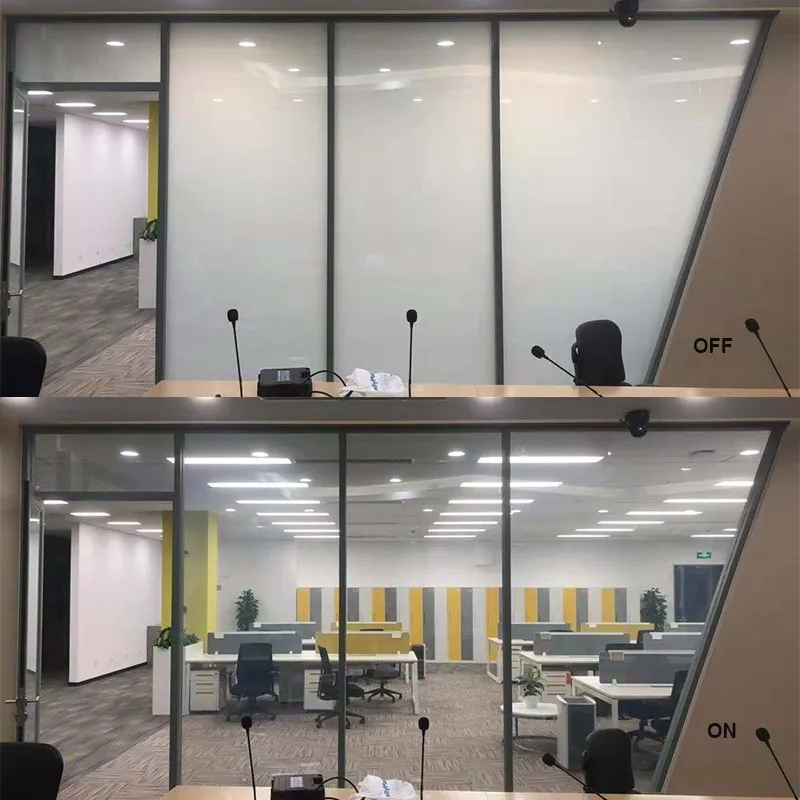
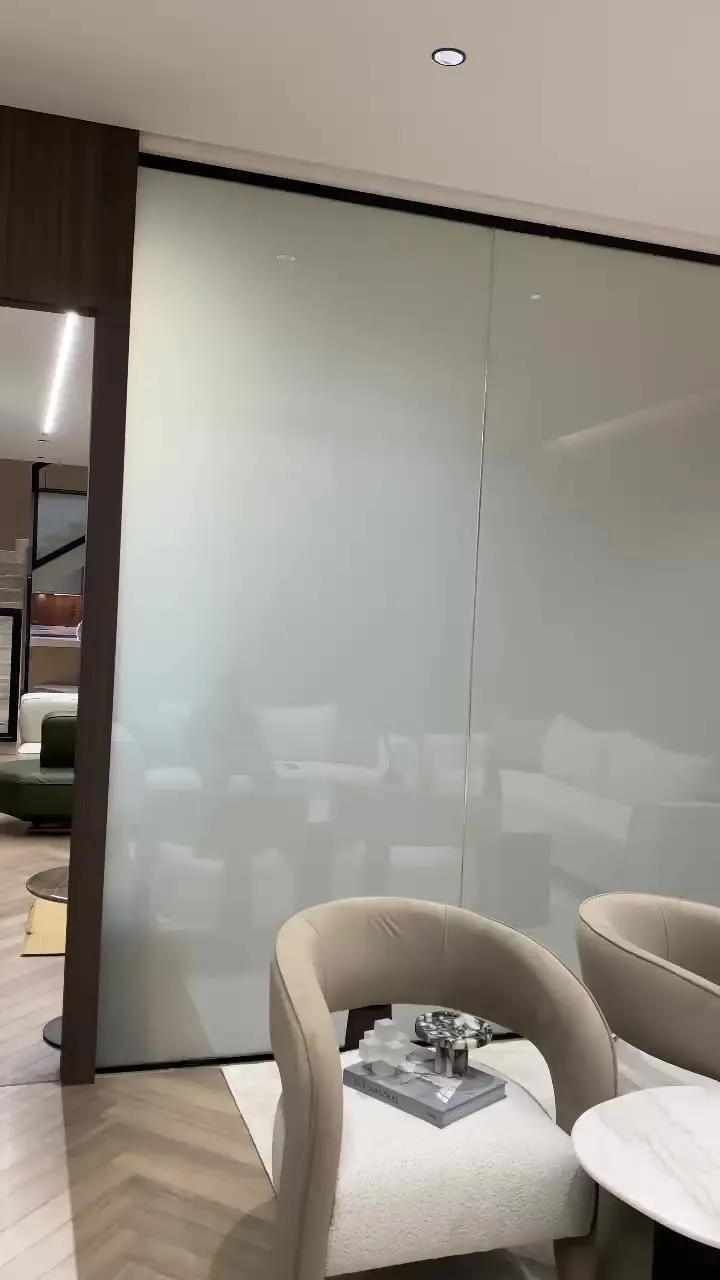
Hotel suites, spa rooms and private dining are the strongest cases for switchable glazing. Here is why, and where it does not pay.
The hospitality case
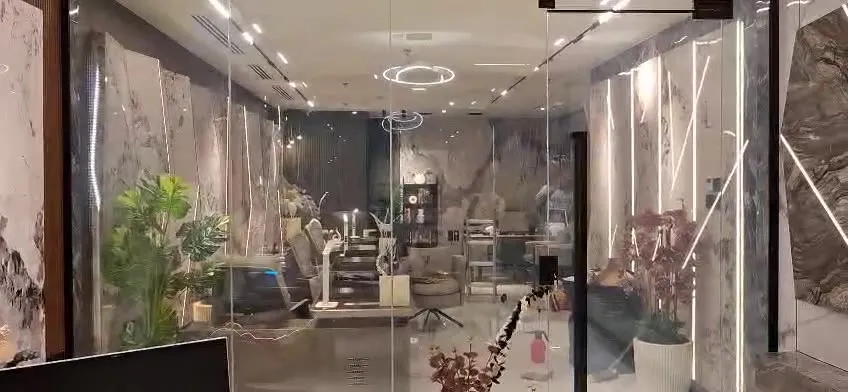
Hospitality is the sector where switchable glazing most reliably justifies its premium, for a reason that has nothing to do with the glass itself. In a hotel, the guest experiences the switch. It is a moment, and moments are what the sector sells.
Suite bathrooms
The classic application: a glass wall between the bedroom and the bathroom, clear by default to make the room feel larger, private on demand. It makes a standard-footprint room read as considerably more generous.
The detail that matters is the control location. It needs to be reachable from inside the bathroom, obviously, but also from the bed. Getting that wrong turns a feature into a complaint.
Spa and treatment rooms
Treatment rooms need privacy during a session and openness between sessions, for both supervision and cleaning. Switchable glass handles that transition without the maintenance burden of fabric in a wet environment.
Private dining and meeting spaces
A private dining room that can open up visually to the restaurant when it is not booked is a more flexible asset than a permanently enclosed one. The same logic applies to hotel meeting rooms.
Where it does not pay
Standard guest corridors. Back of house. Anywhere the switch will never be seen by a guest and privacy could be solved with a door.
There is also a real operational cost that gets overlooked at design stage: housekeeping and maintenance need to understand the system. If nobody briefs them, the first fault becomes a broken feature that stays broken.
Specifying for hospitality specifically
Ask for the switching noise, if any, at night in a quiet room. Ask what the failure mode looks like from the guest side. Ask how a single panel is replaced without taking the suite out of service for a week.
Those three questions will tell you more about a supplier than any brochure.